
Zweifelsfrei


Language


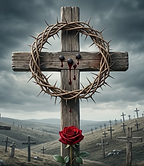


The True Gospel
e


The spiritual path begins with a direct call from Yeshua: “Repent, for the kingdom of heaven is at hand.” This imperative is the doorway to salvation—a foundational, inward shift away from sin and a fallen world, and a redirection of the heart toward the sovereign authority of God.
-
Matthew 4:17 — “From that time Jesus began to preach, and to say, ‘Repent: for the kingdom of heaven is at hand.’”
-
Mark 1:15 — “And saying, ‘The time is fulfilled, and the kingdom of God is at hand: repent ye, and believe the gospel.’”
2. The Doorway: Water Baptism and the Holy Spirit
Following the resurrection and ascension of Yeshua, Peter declared the active steps of covenant entry at Pentecost: turning in repentance, being buried with Messiah in baptism, and receiving divine empowerment through the Spirit.
-
Acts 2:38 — “Then Peter said unto them, ‘Repent, and be baptized every one of you in the name of Jesus Christ for the remission of sins, and ye shall receive the gift of the Holy Ghost.’”
-
John 3:5 — “Jesus answered, ‘Verily, verily, I say unto thee, Except a man be born of water and of the Spirit, he cannot enter into the kingdom of God.’”
3. The Blood: Grafted into the Commonwealth of Israel
By the blood shed on the tree, the dividing wall of hostility was torn down. Nations once alienated from the promises and covenants are brought near and grafted as wild olive branches into the root of Israel.
-
Ephesians 2:12–13 — “That at that time ye were without Christ, being aliens from the commonwealth of Israel, and strangers from the covenants of promise, having no hope, and without God in the world: But now in Yesgua messiah ye who sometimes were far off are made nigh by the blood of Christ.”
-
Romans 11:17 — “And if some of the branches be broken off, and thou, being a wild olive tree, wert graffed in among them, and with them partakest of the root and fatness of the olive tree.”
4. The Commission: Gathering Others into the Harvest
Salvation is not walked in isolation; a grafted branch bears fruit. Believers are commanded to act as fishers of men and ambassadors, working to gather the lost into the Father’s house before the end.
-
Matthew 28:19–20 — “Go ye therefore, and teach all nations, baptizing them in the name of the Father, and of the Son, and of the Holy Ghost: Teaching them to observe all things whatsoever I have commanded you.”
-
Matthew 9:37–38 — “Then saith he unto his disciples, ‘The harvest truly is plenteous, but the labourers are few; Pray ye therefore the Lord of the harvest, that he will send forth labourers into his harvest.’”
-
Luke 14:23 — “And the lord said unto the servant, ‘Go out into the highways and hedges, and compel them to come in, that my house may be filled.’”
5. The Perseverance: Holding Fast Until the End
The culmination of salvation requires endurance through trials, testing, and persecution. The promise of the eternal crown belongs to those who do not turn back.
-
Matthew 24:13 — “But he that shall endure unto the end, the same shall be saved.”
-
Hebrews 10:35–36 — “Cast not away therefore your confidence, which hath great recompence of reward. For ye have need of patience, that, after ye have done the will of God, ye might receive the promise.”
-
Revelation 2:25–26 — “But that which ye have already hold fast till I come. And he that overcometh, and keepeth my works unto the end, to him will I give power over the nations.”
Das wahre Evangelium
Nirgendwo in der Schrift sagt Yeshua, dass es im Evangelium darum geht, dass Er kommt, um für unsere Sünden zu sterben.
Was hat Jeschua gepredigt?
Viele wären schockiert, wenn sie herausfinden würden, dass die Bibel das Evangelium anders definiert, als es ihnen immer gesagt wurde. Eine gründliche Lektüre zeigt, dass die Annahme des Blutes Christi zur Bezahlung unserer Sünden – so grundlegend wichtig es auch ist – eigentlich nicht im Mittelpunkt der „guten Nachricht“ steht, die er brachte und die die Apostel weiterhin predigten. Yeshua starb nicht nur für unsere Sünden, sondern kam auch als Bote von Jehova, dem Vater, auf die Erde:
Die gute Nachricht ist, dass Jehova Jeschua ordiniert hat, das Kommen Seines Reiches hier auf Erden anzukündigen.
-
Johannes 8:38 Ich rede von dem, was ich bei meinem Vater gesehen habe, und ihr tut, was ihr von eurem Vater gehört habt.“
-
Johannes 12:49-50 Denn ich habe nicht aus eigener Vollmacht geredet, sondern der Vater, der mich gesandt hat, hat mir selbst ein Gebot gegeben – was ich sagen und was ich reden soll. 50 Und ich weiß, dass sein Gebot ewiges Leben ist. Was ich sage, sage ich also, wie der Vater es mir gesagt hat.“
-
Johannes 14:24 Wer mich nicht liebt, hält meine Worte nicht. Und das Wort, das du hörst, ist nicht mein, sondern die Väter, die mich gesandt haben.
-
Lukas 4:43 Yeshua sagte zu ihnen: „Ich muss das Königreich Jehovas den Menschen predigen
auch andere Städte, denn dazu bin ich gesandt."
Während Jeschua kategorisch die wichtigste Person war, die jemals auf dieser Erde wandelte, zeigt die Bibel deutlich, dass das von Jeschua gebrachte Evangelium nicht nur von ihm selbst handelte. Lies seine Aussagen und beweise es selbst:
-
Matthäus 9:35 Yeshua ging durch alle Städte und Dörfer, lehrte in ihren Synagogen, predigte das Evangelium des Königreichs und heilte alle Krankheiten und Gebrechen. 36 Als er die Menge sah, wurde er von Mitleid mit ihnen ergriffen, denn sie waren bedrängt und hilflos wie Schafe ohne Hirten.…
-
Markus 1:14-15 Nun, nachdem Johannes ins Gefängnis gebracht worden war, kam Jeschua nach Galiläa und predigte
das Evangelium vom Reich Gottes und sagen: „Die Zeit ist erfüllt, und das Reich Gottes ist nahe. Tut Buße und glaubt an das Evangelium.“
43
-
Lukas 8:1 Nun begab es sich danach, dass Jeschua durch jede Stadt und jedes Dorf zog, predigte und die frohe Botschaft [das Evangelium] des Reiches Gottes brachte.
-
Lukas 16:16 Das Gesetz und die Propheten waren bis Johannes. Seitdem wird das Reich Gottes gepredigt, und alle drängen hinein.
-
Matthäus 24:14 Und es ist leichter, dass Himmel und Erde vergehen, als dass ein Tüpfelchen des Gesetzes vergeht. Und dieses Evangelium des Königreichs wird in der ganzen Welt als Zeugnis für alle Nationen gepredigt werden, und dann wird das Ende kommen.
Die Ankündigung der „guten Nachricht“ – die allerbeste Nachricht, die man heute hören konnte – die der Vater durch Yeshua gab, handelte von der Errichtung seines Reiches auf Erden. Was ist ein Königreich?
Es ist im Wesentlichen eine Nation mit all ihren Bürgern, ihrem Land und ihren Gesetzen, die von einer Regierung regiert werden. Im biblischen Sprachgebrauch kann ein Königreich auch eine Familie bedeuten, die von einem alleinerziehenden Elternteil zu einer Nation herangewachsen ist.
Ein Königreich hat vier grundlegende Elemente:
-
ein König, oberster Herrscher oder Regierungsvertreter;
-
Territorium mit seiner spezifischen Lage und bestimmten Grenzlinien;
-
Subjekte oder Bürger innerhalb dieser territorialen Gerichtsbarkeit;
-
und Gesetze und eine Regierungsform, durch die der Wille des Herrschers ausgeübt wird. Wenn wir eines dieser wesentlichen Elemente ignorieren – wenn wir die Botschaft ignorieren, die Yeshua vom Vater überbracht hat – werden wir einen verzerrten Glauben haben, einen, der keine Erlösung bringt.
Wer wird König?
Es besteht kein Zweifel, dass der König von Gottes Königreich Jeschua sein wird. Auch wenn er während seiner Zeit auf der Erde keine zivile Autorität ausübte, wird er bei seiner Rückkehr „König der Könige und Herr der Herren“ sein, 1. Timotheus 6:15; Offenbarung 19:16; 17:14).
Auch andere Propheten sagten einen kommenden König voraus, nicht nur über Israel und Juda, sondern auch über die ganze Welt. Jesaja sagt uns:
Denn uns ist ein Kind geboren, uns ist ein Sohn gegeben; und die Regierung wird auf seiner Schulter sein. Und Sein Name wird Wunderbar, Ratgeber, Mächtiger Gott, Ewiger Vater, Friedensfürst genannt werden. Die Zunahme Seiner Regierung und seines Friedens wird kein Ende haben, auf dem Thron Davids und über Seinem Königreich, es zu ordnen und es von dieser Zeit an mit Gericht und Gerechtigkeit zu errichten, sogar für immer. Der Eifer des HERRN der Heerscharen wird dies bewirken. (Jesaja 9:6-7)
Wo wird das Königreich errichtet? Eine vorherrschende Lüge, die Satan der Menschheit untergeschoben hat, ist der Glaube, dass die Seele nach dem Tod in den Himmel kommt. Viele Menschen nehmen an, dass der Ausdruck Königreich Gottes gleichbedeutend mit dem Himmel ist, aber die Bibel lehrt, dass das Königreich Gottes auf Erden errichtet wird, wenn Yeshua zurückkehrt!
Beachten Sie zunächst, wie die Bibel die Vorstellung, nach dem Tod „in den Himmel zu kommen“, vollständig widerlegt. Petrus sagt der Menge am Pfingsttag: „Männer und Brüder, lasst mich offen über den Patriarchen David sprechen, dass er sowohl tot als auch begraben ist und sein Grab bis heute bei uns ist.
.. Denn David ist nicht in den Himmel aufgefahren“ (Apostelgeschichte 2:29, 34). Dieser „Mann nach Gottes Herzen“ ist nicht im Himmel, sondern noch im Grab! Unser Erlöser bestätigt dies in
-
Johannes 3:13: „Niemand ist in den Himmel aufgefahren außer dem, der vom Himmel herabgekommen ist, das heißt der Menschensohn, der im Himmel ist.“
-
Prediger 9:5,10 Die toten Heiligen des Alten und Neuen Testaments schlafen gleichermaßen in ihren Gräbern und erwarten die Auferstehung – ohne Bewusstsein.
-
Hiob 14:14-15 Hiob beschreibt das Warten auf die Auferstehung folgendermaßen: „Wenn ein Mann stirbt, wird er wieder leben? Alle Tage meines harten Dienstes werde ich warten, bis meine Wandlung kommt. Du wirst rufen, und ich werde es tun dir antworten.
-
Offenbarung 5,10: „Und du hast sie unserem Gott zu Königreichen (Königsgeschlecht) und Priestern gemacht, und sie werden herrschen auf Erden!“
-
Offenbarung 11:15 Dann posaunte der siebte Engel: Und es wurden laute Stimmen im Himmel und sprachen: „Die Königreiche dieser Welt sind die Königreiche unseres Herrn und seines Sohnes geworden, und er wird für immer und ewig regieren!“
-
Offenbarung 21:21. Und ich sah einen neuen Himmel und eine neue Erde, denn der erste Himmel und die erste Erde waren vergangen. Auch gab es kein Meer mehr. Dann sah ich, Johannes, die heilige Stadt, das neue Jerusalem, von Gott aus dem Himmel herabkommen, bereitet wie eine geschmückte Braut für ihren Mann. Und ich hörte eine laute Stimme vom Himmel sagen: „Siehe, die Stiftshütte Gottes ist bei den Menschen, und er wird bei ihnen wohnen, und sie werden sein Volk sein. Gott selbst wird mit ihnen sein und ihr Gott sein. Und Gott wird abwischen weg alle Tränen von ihren Augen, der Tod wird nicht mehr sein noch Leid noch Geschrei noch Schmerz wird mehr sein, denn das Erste ist vergangen.
…
-
Offenbarung 21:1 Wer überwindet, wird alles erben, und ich werde sein Gott sein und er wird mein Sohn sein.“ Wer sind die Untertanen und Bürger des Königreichs? Auch wenn die ganze Welt von Jeschua regiert wird, wenn er das Königreich aufrichtet Erde, nicht jeder auf der Erde wird ein Bürger dieses Königreichs sein, jeder wird dem König der Könige untertan sein, aber nicht jeder wird in dieses geistige Königreich eingetreten sein.
-
Johannes 3:3 Jeschua offenbarte Nikodemus diese Wahrheit. Als Nikodemus nachts zu ihm kam, sagte Jeschua zu ihm: „Wahrlich, ich sage dir, wenn jemand nicht wiedergeboren ist, kann er das Reich Gottes nicht sehen.“
-
1. Korinther 15:50. Paulus sagte den Korinthern: „Fleisch und Blut [sterbliche Menschen] können das Königreich Gottes nicht erben, noch erbt Korruption die Unverweslichkeit.“ Obwohl wir einen physischen Körper aus Fleisch und Blut haben, mögen wir Erben des Königreichs sein, aber wir können es nicht betreten vollständig in das Königreich eintreten, noch können wir es sehen, bis wir Geist werden – indem wir in der Auferstehung einen herrlichen, aus Geist zusammengesetzten Körper erhalten.
Das bedeutet, dass, obwohl die gesamte Menschheit dem Königreich unterworfen sein wird, das Jeschua auf Erden regieren wird, sie nicht unbedingt ein Teil davon sein werden.
Matthäus 25:31-34 Wenn der Menschensohn in seiner Herrlichkeit kommt und alle heiligen Engel mit ihm, dann wird er auf dem Thron seiner Herrlichkeit sitzen. Alle Völker werden vor ihm versammelt werden, und er wird sie voneinander scheiden, wie ein Hirte seine Schafe von den Böcken scheidet. Und er wird die Schafe zu seiner Rechten stellen, die Böcke aber zu seiner Linken. Dann wird der König zu denen zu Seiner Rechten sagen: „Kommt, ihr Gesegneten Meines Vaters, erbt das Reich, das von Grundlegung der Welt an für euch bereitet ist.“ Das Königreich Gottes wird dann von Yeshua regiert und wird von denen geerbt, die verherrlicht wurden, als sie von den Toten auferstanden sind. Die auferstandenen Heiligen – Bürger des Reiches Gottes – werden mitregieren
Jeschua über die restlichen Völker der Erde (Daniel 7:27; 2. Timotheus 2:12; Offenbarung 2:26-28; 5:9-10; 20:4-6; 22:5). Was sind die Gesetze des Königreichs?
-
Richter 21:25. Das Gesetz ist einfach ein Leitfaden, dem die Menschen folgen müssen, um Zusammenhalt, Übereinstimmung und Frieden in zivilen und zwischenmenschlichen Beziehungen zu gewährleisten. Ohne einen verstandenen Standard, der von einem souveränen Herrscher durchgesetzt wird, würde jeder nach seinen eigenen Launen oder Wünschen handeln, und es würde nichts Gutes oder Wertvolles entstehen. Das Reich Gottes ist nicht anders.
-
1. Korinther 14:33 Gott ist nicht der Urheber der Verwirrung. Sein Reich wird friedlich und geordnet sein, weil sich jeder, der es betritt, freiwillig dem Gesetz – den Geboten – Gottes unterwirft. Gott wird niemanden in seinem Königreich haben, der durch sein Lebensmuster zeigt, dass er ihm nicht gehorchen wird.
-
(Matthäus 7:21-23; Hebräer 10:26-31). Offenbarung 12:17 beschreibt die Heiligen als diejenigen, „die die Gebote Gottes halten und das Zeugnis Jeschuas haben.
Diese beiden Aussagen – Gott lieben und den Nächsten lieben wie sich selbst – fassen die ersten vier bzw. die letzten sechs Gebote zusammen. Die Gebote definieren lediglich weiter, wie man Gott liebt und den Menschen liebt. Wir lieben Gott im Allgemeinen, indem wir Ihn an die erste Stelle setzen, indem wir bei seiner Anbetung keine körperlichen Hilfsmittel annehmen, seinen Namen nicht missbraucht tragen und den Siebenten-Tags-Sabbat heilig halten. Wir lieben den Menschen im Allgemeinen, indem wir unsere Eltern ehren, nicht morden, nicht ehebrechen, nicht stehlen, nicht lügen und nicht begehren.
-
Johannes 14:15 „Wenn ihr mich liebt, so haltet meine Gebote.“ „Wer meine Gebote hat und sie hält, der ist es, der mich liebt. Und wer mich liebt, wird von meinem Vater geliebt werden, und ich werde ihn lieben und offenbaren Ich zu ihm." „Wenn mich jemand liebt, wird er mein Wort halten, und mein Vater wird ihn lieben, und wir werden zu ihm kommen und bei ihm Wohnung nehmen. Wer mich nicht liebt, hält meine Worte nicht, und das Wort, das du hörst ist nicht mein, sondern die Väter, die mich gesandt haben."
The Gospel (in Hebrew, the Besorah—"good news") that Yeshua (Jesus) personally preached is summarized in Mark 1:14–15:
"Now after John was put in prison, Yeshua came to Galilee, preaching the gospel of the kingdom of God, and saying, 'The time is fulfilled, and the kingdom of God is at hand. Repent, and believe in the gospel.'"
While modern ears often hear "the gospel" defined exclusively as the mechanics of individual salvation (how to go to heaven when you die), Yeshua’s proclamation was broader, deeper, and grounded in the Hebrew Scriptures: the Gospel of the Kingdom of God (Besorat HaMalkhut).
He announced that the sovereign rule, authority, and covenant reign of the Creator had broken directly into this fallen world through the King Himself.
1. "The Time is Fulfilled" (Prophetic Arrival)
When Yeshua said the time was fulfilled, He was speaking to a nation longing for deliverance. The prophecies of Daniel (the timeline of Daniel 9 and the stone that crushes the kingdoms of the world in Daniel 2) and Isaiah were reaching their climax.
In Luke 4:18–19, He opened the scroll of Isaiah 61 in the Nazareth synagogue to define His mandate:
-
Preaching good tidings to the poor and humble.
-
Healing the brokenhearted.
-
Proclaiming liberty to the captives and the opening of prison to those who are bound.
-
Proclaiming the acceptable year of the Lord (the ultimate Jubilee release from sin and debt).
-
2. "The Kingdom of God is at Hand" (The Core Proclamation)
Yeshua did not preach an abstract philosophy; He preached an active government and reign:
-
Sovereignty over the Kingdom of Darkness: Every time Yeshua cast out a demon, healed incurable diseases, or raised the dead, He was demonstrating that Satan’s usurpation of the earth was being overthrown. "If I cast out demons by the finger of God, surely the kingdom of God has come upon you" (Luke 11:20).
-
The Nature of the King’s Reign: His kingdom was not of this worldly system—it did not advance through political intrigue, violence, or human armies (John 18:36). Instead, it advanced through truth, sacrificial love, humility, and righteousness.
-
Present and Future: The Kingdom is already here in the hearts and walk of those who submit to the King, and it is yet to come in its physical, global fullness when the King returns to establish His reign in Jerusalem (Zechariah 14; Revelation 11:15).
-
3. "Repent" (Teshuvah — A Complete Return)
To enter this Kingdom, the requirement was not a passive intellectual nod, but Teshuvah—a radical turning around:
-
Turning from Self-Rule to God's Rule: Repentance means laying down rebellion, secular autonomy, and false religious pretenses.
-
Internalizing the Commandments: In the Sermon on the Mount (Matthew 5–7), Yeshua explained the constitution of the Kingdom. He made it clear that He did not come to abolish the Law or the Prophets, but to fill them to the full (Matthew 5:17). Kingdom repentance goes beyond external legalism to the motives of the heart—eradicating lust, hatred, pride, and greed.
-
Fruit of Repentance: Just as John the Baptist warned, Yeshua taught that true repentance always bears observable, righteous fruit (Matthew 7:16–21).
-
4. "Believe in the Good News" (Covenant Faith & Allegiance)
In the biblical mindset, "belief" (emunah) is not merely agreeing that God exists; it is active loyalty, trust, and obedience to the King:
-
Trusting the Father’s Provision: Ceasing to worry about food, drink, and clothing like the nations do, but rather "seeking first the kingdom of God and His righteousness, and all these things shall be added to you" (Matthew 6:33).
-
Trusting the Sacrifice of the Son: Yeshua taught that He came "not to be served, but to serve, and to give His life a ransom for many" (Mark 10:45). The Good News is that the King took the curse of our disobedience upon Himself at Passover, shedding His blood to ratify the New Covenant (Matthew 26:28).
-
Victory Over the Grave: Yeshua promised that whoever hears His word and believes Him who sent Him has passed from death into life (John 5:24), anchored by His own resurrection as the firstfruits from the dead.
-
5. Summary: What Entering the Gospel Requires
In Yeshua's own words, walking in the Gospel means:
-
Denying Self: "If anyone desires to come after Me, let him deny himself, and take up his cross daily, and follow Me" (Luke 9:23).
-
Obeying the Father's Will: "Not everyone who says to Me, 'Lord, Lord,' shall enter the kingdom of heaven, but he who does the will of My Father in heaven" (Matthew 7:21).
-
Loving God and Neighbor: Loving the Lord with all your heart, soul, mind, and strength, and loving your neighbor as yourself (Mark 12:29–31).
-
Proclaiming the Kingdom to All Nations: "And this gospel of the kingdom will be preached in all the world as a witness to all the nations, and then the end will come" (Matthew 24:14).
In short, the Gospel Yeshua taught is the royal proclamation that God’s reign has arrived in His Messiah, calling every human heart to turn away from sin, enter covenant peace with the Father through the Son, and live as an obedient citizen of His eternal Kingdom.
In ancient kingdoms, when a king ascended his throne, he issued a royal charter or legal code declaring how his realm would be governed and what was expected of his subjects. In Matthew 5–7, Yeshua goes up on a mountain—echoing Moses ascending Mount Sinai—sits down in the posture of a reigning king and teacher, and delivers the manifesto of His newly inaugurated reign.
The Sermon on the Mount is not an impractical, idealistic philosophy, nor is it a checklist to earn salvation. It is the living, practical constitution of the Kingdom of God, dictating the character, inner motives, ethics, and daily allegiance required of every citizen walking under Messiah's rule.
1. The Preamble: The Citizen’s Internal Disposition (The Beatitudes)
Any national constitution opens with foundational values. Earthly empires prize military conquest, political clout, wealth, and self-assertion. Yeshua begins His charter (Matthew 5:3–12) by turning the world's value system completely upside down:
-
Poor in Spirit: Recognizing total spiritual bankruptcy and utter dependence on the King.
-
Mourning: Grieving over personal sin and the brokenness of a fallen world.
-
Meekness: Possessing harnessed strength, patience, and humility rather than violent ambition.
-
Hunger for Righteousness: Longing for God’s righteous order to prevail more than craving food or physical comfort.
-
Mercy and Purity of Heart: Extending forgiveness and maintaining undivided, uncorrupted loyalty to God.
-
Peacemaking: Actively reconciling estranged parties, reflecting the character of the Father.
These are not separate groups of people receiving different rewards; together, they describe the temperament of the citizen who has laid down self-rule.
2. The Citizen’s Public Office: Salt and Light
Citizens of the Kingdom do not live in isolationist enclaves; they are embedded directly into a decaying and dark culture (Matthew 5:13–16):
-
Salt of the Earth: In antiquity, salt was a preservative that arrested rot and decay. Kingdom citizens preserve truth, hold back moral corruption, and bring spiritual flavor to the societies they inhabit.
-
Light of the World: Light exposes danger and guides the traveler. Believers do not hide their allegiance to the King; their visible, tangible good works shine so that observers give glory directly to the Father.
-
3. The Legal Standard: Fulfilling and Internalizing the Law
In Matthew 5:17–20, Yeshua establishes the legal framework of His government, dispelling any thought of lawlessness or anarchy:
"Do not think that I came to destroy the Law or the Prophets. I did not come to destroy but to fulfill. For assuredly, I say to you, till heaven and earth pass away, one jot or one tittle will by no means pass from the law till all is fulfilled."
To "fulfill" (pleroo) in Hebrew thought means to bring the law to its fullest intended meaning and expression, not to abolish it. Yeshua contrasts the superficial, external legalism of the religious establishment with the King’s internal standard. Through a series of six antitheses ("You have heard that it was said... but I say to you"), He shows that the King's law governs the thoughts and desires before an act is ever committed:
-
Murder vs. Contempt: It is not enough to refrain from physical murder; harboring bitter anger, resentment, or hurling venomous insults (Raca) makes one liable to judgment (5:21–26).
-
Adultery vs. Lust: Purity is not just refraining from physical unfaithfulness; looking with covetous intent is adultery in the heart (5:27–30).
-
Oaths vs. Total Integrity: Citizens do not need elaborate religious oaths or legal loopholes to verify their truthfulness; their word is their bond—their "Yes" means yes, and their "No" means no (5:33–37).
-
Retaliation vs. Sacrificial Generosity: Rather than demanding immediate vengeance ("an eye for an eye"), citizens yield personal rights, go the extra mile, and overcome evil with good (5:38–42).
-
Love for Enemies: The ultimate test of Kingdom citizenship is reflecting the Father’s indiscriminate benevolence—praying for persecutors and blessing those who curse you (5:43–48).
-
4. Public Duty & Worship: Sincerity Over Religious Theater
In Matthew 6, Yeshua regulates the three primary pillars of personal religious duty: giving, prayer, and fasting. In earthly systems, piety is often weaponized for social prestige. In the Kingdom, performance art is condemned:
-
Secret Giving (Alms): Giving to the needy without sounding a trumpet or announcing tax write-offs; the left hand does not know what the right is doing.
-
Secret Prayer: Communing behind closed doors with the Father, rather than reciting vain, repetitive words to impress bystanders. He provides the Model Prayer (the Lord's Prayer), teaching citizens to align their desires with the Father’s name, His kingdom coming, and His will being done on earth.
-
Secret Fasting: Anointing the head and washing the face so that the physical affliction of fasting is unseen by men, directed only to the Father who sees in secret.
-
5. The Economic System: Trust, Not Striving
Every kingdom has an economy. The economy of the world is driven by fear, scarcity, hoarding, and status anxiety. The Kingdom of God operates on radical faith in divine provision (Matthew 6:19–34):
-
Currency: True wealth is not stored in physical barns, bank vaults, or commodities where moth and rust destroy; it is stored in heaven through generous, righteous living.
-
Singular Focus: A servant cannot serve two masters. You cannot pledge allegiance to the Creator while serving Mammon (wealth/money).
-
Freedom from Worry: Citizens do not sweat and panic over daily bread or clothing like the pagans do. The King feeds the birds of the air and clothes the lilies of the field. The citizen's sole operational directive is:
"Seek first the kingdom of God and His righteousness, and all these things shall be added to you." (Matthew 6:33)
6. Relational Protocol: Righteous Discernment Without Self-Righteous Condemnation
In Matthew 7:1–12, Yeshua sets the rules for how citizens treat one another:
-
The Spec and the Log: Before attempting to perform delicate eye surgery on a brother’s fault, remove the massive log of blind self-righteousness from your own eye.
-
Holy Discernment: While judgment is warned against, discernment is commanded—do not cast pearls before swine or give what is sacred to dogs.
-
Persistent Petitions: Keep asking, seeking, and knocking, trusting that the Father gives good gifts to His children.
-
The Royal Rule (The Golden Rule): "Whatever you want men to do to you, do also to them, for this is the Law and the Prophets." (Matthew 7:12)
-
7. The Ratification: Hearing vs. Doing
A constitution is useless if it is merely read and debated rather than obeyed. Yeshua concludes His address with four sobering warnings demanding personal allegiance:
-
Two Gates: The wide, crowded gate leading to destruction versus the narrow, difficult gate leading to life (7:13–14).
-
Two Trees: True prophets and false prophets, known not by their charisma or titles, but by their actual fruit (7:15–20).
-
Two Confessions: Warning that crying "Lord, Lord" or performing signs in His name is worthless if one practices lawlessness (anomia). Only those who do the will of the Father will enter (7:21–23).
-
Two Foundations: The sermon ends with a dramatic builder’s test. The person who hears these words and builds on them is a wise man who digs deep and anchors his house on the solid bedrock. When the storms, floods, and winds beat against that life, it stands firm. The person who hears and does not obey builds on shifting sand—and great is the fall of it (7:24–27).
-
When Yeshua concluded, the crowds were astonished. He did not quote human traditions or cite precedent like the scribes; He spoke as the Lawgiver and King Himself, laying down the permanent, unalterable rule of life for all who call Him Lord.