


Language

Zweifelsfrei


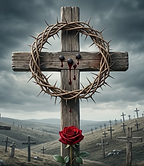


Welcome, Fellow Truth Seekers: Start Here
Remember: Always test everything against Scripture.
If you found your way to this page, your spirit has already recognized the shift. Decades of comfortable religion can no longer quiet the conviction that it is time to return to the Father's unfiltered truth.—in church pews loving God wholeheartedly, you may sense an undeniable disconnect between the unfiltered Word of God and the traditions taught from the pulpit.
You are not alone. Across the earth, the Father is calling His people back to His ancient paths. Your presence here is no accident.
First Steps on Your Journey
Returning to the ancient paths is not about adopting a new religion—it is about unlearning human tradition and walking in the footsteps of Yeshua. Here is where to begin:
-
Test Everything Against Scripture (Acts 17:11)
Lay aside denominational filters, commentaries, and lifelong assumptions. Become a Berean: read the text directly and let Scripture interpret Scripture.
-
Rediscover the Father's Instructions (1 John 5:3)
Read the Torah (Genesis through Deuteronomy) with fresh eyes. See the commandments not as an obsolete burden, but as the Father's eternal framework for righteousness, blessing, and life.
-
Walk as Yeshua Walked (1 John 2:6)
Yeshua did not abolish the Law; He lived it perfectly. Following Him means embracing His lifestyle—honoring the seventh-day Sabbath, keeping the biblical feasts, and walking in genuine, loving obedience.
-
Expect Resistance—and Give Grace (Matthew 5:10–12)
Stepping out of mainstream traditions will provoke confusion or pushback from well-meaning family and friends. Stand firm on the Word, but speak the truth with patience, humility, and love.
"Stand by the roads, and look, and ask for the ancient paths, where the good way is; and walk in it, and find rest for your souls."
— Jeremiah 6:16
Foundational Truths
-
The Father & The Messiah: We worship Yehovah, the God of Abraham, Isaac, and Jacob. We worship Yeshua the Messiah, who reveals and honors the name of His Father, Yehovah.
-
Walking in Obedience: Yehovah commands us to follow Yeshua in true obedience and walk as He walked (1 John 2:6). To reject His voice and turn away from obedience is to stand under divine wrath (John 3:36; Hebrews 5:9).
-
The Danger of Refusal: "If one turns away his ear from hearing the law, even his prayer is an abomination." — Proverbs 28:9
What the Scriptures Affirm
-
Matthew 7:21–23: Calling Him "Lord, Lord" is not enough. Only those doing the will of the Father enter the Kingdom. Those practicing anomia (lawlessness / life without Torah) will be told, "Depart from Me."
-
Luke 16:17: Heaven and earth will pass away before the smallest stroke of a letter of the Torah fails.
-
Deuteronomy 12:32: "Everything that I command you, you shall be careful to do. You shall not add to it nor take from it."22
-
The Mechanics of Conditioning: Are Churchgoers Blinded by Tradition?
Many believers are conditioned by institutional traditions that substitute human doctrine for the commandments of God.
-
Replacing Torah with Dogma: Tradition often trains people to dismiss the Law as obsolete, directly opposing Yeshua’s command to live by e22very word that proceeds from the mouth of God (Matthew 4:4).
-
The Warning Against Man-Made Rules: Yeshua exposed this same conditioning in Mark 7:7–9: "In vain do they worship Me, teaching as doctrines the commandments of men. You leave the commandment of God and hold to the tradition of men."
-
True Freedom: Awakening from conditioning means returning to the pure, unedited Word—neither adding human fences nor removing the Father's eternal commandments.
Why Loved Ones React Defensively to the Torah
When loved ones are confronted with the enduring validity of the Torah, their reaction is rarely an objective theological critique. Instead, it often produces sharp emotional resistance, anger, or dismissal.
Introducing the Torah does not merely raise a new topic—it shatters deep-seated assumptions about their identity, salvation, and community, triggering acute cognitive dissonance (Leon Festinger, 1957). Because the mind instinctively protects established internal consistency, it deploys defense mechanisms to neutralize the tension.
1. The Theological Crisis: Threat to Assurance
-
The Conflict: Traditional teaching often frames the Torah as an obsolete "burden" or "curse" done away with at the cross.
-
The Dissonance: Realizing that the Father's commandments remain eternal and binding implies that teachings they trusted all their lives were incomplete or flawed.
-
The Defense: Rather than re-examining lifelong beliefs, the mind defends its certainty by labeling Torah observance as "legalism" or "falling from grace."
2. The Sociological Cost: Fear of Exile
-
The Conflict: Faith is not practiced in isolation; it anchors relationships with family, friends, and congregational networks.
-
The Dissonance: Embracing the Torah creates social friction—abstaining from unbiblical traditions, observing the Sabbath, or eating cleanly separates a person from the group.
-
The Defense: To protect belonging and avoid isolation, individuals aggressively defend institutional traditions and push away anything that threatens social cohesion.
3. Generational Loyalty and Grief
-
The Conflict: Acknowledging the Torah forces loved ones to confront the uncomfortable reality that deceased parents, mentors, and cherished pastors walked in theological error.
-
The Dissonance: Accepting this feels like an act of betrayal against the spiritual legacy of people they revere.
-
The Defense: Anger and denial serve as emotional shields against the grief of admitting that sincere, beloved role models were mistaken.
-
Approaching with Compassion
Recognizing these psychological and social barriers reframes their resistance: their anger is rooted in fear, not hatred of truth.
Defensive reactions occur because their world is being shaken at its foundation. Breaking through this wall requires patience, gentle consistency, and living out the beauty of the commandments with grace—demonstrating that the Torah is not a legalistic burden, but the Father’s loving instructions for life.
Common Everyday Conflicts
-
Belief vs. Hypocrisy: Preaching moral standards while privately violating them (e.g., demanding honesty while cheating on taxes).
-
Health vs. Habit: Knowing smoking causes severe harm, yet indulging daily.
-
Ethics vs. Convenience: Valuing local small businesses, but buying from discount mega-retailers to save money.
-
Belief vs. Reality: Clinging to confidence in an investment or worldview despite contrary evidence.
-
Change the behavior: Align actions with values—such as quitting smoking or correcting hypocritical habits.
-
Rationalize and make exceptions: Invent excuses to minimize the gap (e.g., "I eat clean all week, so smoking on weekends doesn't count").
-
Change the belief: Adjust standards to fit the behavior (e.g., "Life is short, so obsessing over health isn't worth it").
-
Compartmentalize: Separate contradictory roles into mental silos—acting righteous in public while cutting corners in private.
-
Denial and confirmation bias: Dismiss or reject conflicting facts as flawed, biased, or irrelevant.
The 5 Primary Drivers of Dissonance and Defense
-
1. Identity Threat and Generational Loyalty
-
The Conflict: Faith is tied to childhood memories, family traditions, and revered ancestors.
-
The Dissonance: Accepting that the Torah remains in effect feels like declaring beloved parents, pastors, and mentors were fundamentally wrong.
-
The Defense: Rejecting the messenger to protect family legacy and emotional ties.
-
-
2. Theological Fear: "Grace vs. Law" Conditioning
-
The Conflict: Deeply ingrained teaching that the Law was "nailed to the cross" and opposes grace.
-
The Dissonance: Encountering scriptures linking obedience with love triggers alarms that honoring commandments denies the Messiah’s finished work.
-
The Defense: Labeling Torah observance as "legalism," "falling from grace," or a "cult" to ward off perceived heresy.
-
-
3. Institutional Authority vs. Scriptural Reality
-
The Conflict: High trust placed in pastors, scholars, and denominations.
-
The Dissonance: Directly facing scriptures that contradict church doctrine forces the dilemma: "How could generations of leaders and scholars have missed this?"
-
The Defense: Appealing to institutional consensus ("Thousands of scholars can't be wrong") rather than questioning established leadership.
-
-
4. Threat of Social Disruption and Isolation
-
The Conflict: Church communities and family bonds revolve around shared holidays, meals, and weekly routines.
-
The Dissonance: Recognizing that Sabbath, feast days, and dietary boundaries disrupt traditional family gatherings and church fellowship.
-
The Defense: Reacting with frustration or anger to mask the fear of relational division and social inconvenience.
-
-
5. Conviction and Behavioral Friction
-
The Conflict: Viewing biblical instructions as "optional" allows broad lifestyle freedom, whereas the Torah demands tangible obedience.
-
The Dissonance: Facing objective standards forces a choice between making costly personal changes or finding a reason to reject the command.
-
The Defense: Minimizing the commands ("God only looks at the heart" or "that was only for the Jews") to bypass personal repentance.
-
-
Verification and Communication Checklist
When engaging loved ones navigating this friction, use the following protocol to minimize reactive defensiveness and maintain relational peace:
-
[ ] Shift from Debate to Demonstration: Cease initiating unsolicited debates, corrections, or doctrinal critiques. Let fruit, peace, self-control, and loving service be the primary evidence of your walk (James 3:13).
-
[ ] Distinguish Salvation from Sanctification: Clarify immediately that obedience to the Father's instructions is not an attempt to "earn" salvation or justification, but the natural response of love and obedience after being redeemed (John 14:15).
-
[ ] Validate Their Sincerity: Acknowledge their genuine love for God and the valid spiritual foundation they walk in. Removing personal condescension lowers their threat response.
-
[ ] Answer Only When Inquired: Restrict theological explanations strictly to questions they proactively ask. When an unprompted defensive argument starts, employ gentle disengagement (Proverbs 15:1).
-
[ ] Focus on Primary Sources: When discussions do occur, reference direct text without secondary commentary or external teacher labels, encouraging them to test all things directly against Scripture (Acts 17:11).
Your Roadmap to Biblical Truth
-
Step 1: Take the Self-Diagnostic
-
The Lawlessness (Anomia) Test: A private, 10-question interactive assessment measuring your beliefs and daily lifestyle against the objective standard of God's written Law.
-
-
Step 2: Explore the Deep-Dive Studies
-
The Mirroring Principle of Idolatry: Why what you revere shapes who you become, and how man-made tradition blinds spiritual perception.
-
The Alignment of the Mirror: How physical commandments—such as Sabbath (Shabbat), dietary boundaries (Kashrut), and tassels (Tzitzit)—keep your focus locked on the Creator.
-
The Pauline Filter: Dismantling the selective theological lens used to twist Paul’s letters into an excuse to bypass God's commandments.
-
The Mechanics of Conditioning: A compassionate psychological look at why believers experience intense cognitive dissonance and defensive reactions when confronted with the Torah.
-
-
When loved ones react defensively to the Torah, it is rarely just theological—it is an emotional shield against cognitive dissonance. Accepting that God's commandments remain in effect threatens five core pillars:
-
Family Heritage: It feels like admitting revered parents, grandparents, and mentors lived under flawed doctrine.
-
Fear of "Losing Grace": Conditioning triggers panic that keeping commandments is dangerous "legalism" that risks salvation.
-
Institutional Trust: It forces an agonizing question: How could our pastor and denomination have missed this for generations?
-
Social & Family Fracture: Observing the Sabbath, feasts, and dietary laws directly disrupts shared meals, holidays, and routines.
-
Conviction vs. Convenience: True obedience demands costly lifestyle changes; attacking the message is easier than personal repentance.
-
Practical Approach
-
Live It, Don't Preach It: Let peace, humility, and good character speak louder than theological arguments (James 3:13).
-
Clarify Salvation vs. Obedience: Emphasize that obedience does not earn salvation—it is the loving result of redemption (1 John 5:3).
-
Speak Only When Asked: Share scripture when there is genuine openness, avoiding heated debates (Proverbs 15:1).
-
Expose the Spirit of Lawlessness (Anomia): Understand that dismissing God's Law is a spiritual conflict mirroring the adversary’s original rebellion.
-
Step 3: Find a Soft Landing & Restoration
-
Read "A Loving Warning to a Churchgoer": A pastoral letter to help you navigate this transition or share with loved ones without provoking defensiveness.
-
Path of Restoration: Walking in the Father's commandments brings freedom and renewal, not bondage. Let the Word challenge inherited traditions and restore your spiritual sight.
-
A Loving Warning to a Churchgoer
-
The adversary’s primary aim is rarely outright atheism; it is subtle lawlessness (anomia)—convincing believers that God's instructions no longer apply (1 John 3:4).
-
A prime example is the Fourth Commandment (Exodus 20:10). The text explicitly designates the seventh day (Saturday) as the Sabbath forever. Yet traditional conditioning trains believers to see Sunday or declare the command abolished. Substituting human tradition for plain scripture is a spiritual sensory shutdown—revering church systems until we can no longer clearly see the Word or hear the Creator's voice.
-
By measuring daily habits against scripture, you hold a mirror to your walk to confirm whether you are reflecting God's eternal truth or human tradition.
-
Scriptures to Study
-
The Sabbath as an Eternal Sign
-
Exodus 31:16–17: Declares the Sabbath a perpetual covenant and sign forever.
-
To ponder: If God established it as permanent, by whose authority was it altered or set aside?
-
Human Tradition vs. God's Commandments
-
Mark 7:7–9: Warns against vain worship that replaces God's commands with human traditions.
-
To ponder: Are your days of worship and celebrations rooted in biblical instruction or church tradition?
-
Prayer and the Law
-
Proverbs 28:9: States that ignoring God's instruction alienates one's own prayers.
-
To ponder: Can true spiritual communion exist while disregarding His written Word?
-
The Definition of Love for God
-
1 John 5:3: Teaches that loving God means keeping His commandments without seeing them as a burden.
-
To ponder: Why does modern theology treat obedience as bondage when scripture defines it as love?
The 10-Question Lawlessness (Anomia) Diagnostic
Based on Matthew 7:21–23, this self-assessment measures personal beliefs and church practices against the written commandments of God.
-
Validity of the Law: Do you believe or teach that the Torah was abolished, "nailed to the cross," or ended for New Testament believers?
[ ] YES [ ] NO
-
Definition of Holiness: Do you believe that under grace, physical obedience to the Creator's commandments is optional?
[ ] YES [ ] NO
-
The Sabbath: Do you observe Sunday as the Sabbath, or believe the Seventh-day Sabbath (Saturday) was altered or abolished?
[ ] YES [ ] NO
-
Dietary Laws: Do you believe biblical dietary boundaries (Leviticus 11) no longer apply to believers today?
[ ] YES [ ] NO
-
Pagan Origins: Do you observe traditional holidays like Christmas or Easter, reasoning that "God knows my heart"?
[ ] YES [ ] NO
-
The Pauline Filter: Do you use isolated writings of Paul to justify setting aside the Father’s direct commandments?
[ ] YES [ ] NO
-
Labeling Obedience: Do you view or label believers who keep the Sabbath, eat clean, or wear tassels (tzitzit) as "legalistic" or "under bondage"?
[ ] YES [ ] NO
-
God’s Appointed Times: Do you dismiss the biblical feast days (Leviticus 23) as irrelevant or "only for the Jews"?
[ ] YES [ ] NO
-
Grace vs. Commandment: Do you believe that "loving God" replaces the specific physical instructions He gave on how to worship Him?
[ ] YES [ ] NO
-
Defensive Reaction: Does the suggestion to obey the Torah trigger immediate frustration, irritation, or emotional resistance?
[ ] YES [ ] NO
Diagnosing the Results: What Does Your Score Mean?
Count how many times you answered "YES" to the statements above.
If You Answered "YES" 1 to 3 Times: Developing Contamination
You have started to absorb some of the traditional, lawless dogmas of mainstream theology. While you may still revere the Old Testament, you are allowing human traditions to slowly blind your spiritual eyes to the plain instructions of the Creator.
If You Answered "YES" 4 or More Times: The Spirit of Lawlessness ($Anomia$)
A score of 4 or more "YES" answers indicates that your personal theology is operating directly under the spirit of $anomia$ (lawlessness).
Defending these positions uses church traditions to bypass God's written Word—the exact compromise Yeshua condemned (Matthew 7; Mark 7).
The Scriptural Reality Check
-
On the Law & Holiness (Q1 & Q2): Yeshua stated He did not come to abolish the Law, and those who keep and teach it will be called great (Matthew 5:17–19).
-
On the Sabbath (Q3): God established the Sabbath as an everlasting, perpetual covenant (Exodus 31:16).
-
On Dietary Boundaries (Q4): Isaiah warns that end-times judgment falls on those who disregard clean and unclean eating (Isaiah 66:17).
-
On Pagan Customs (Q5): Scripture strictly forbids borrowing pagan traditions to worship the Lord (Deuteronomy 12:30–31).
-
On Paul’s Letters & "Legalism" (Q6 & Q7): Peter warned that the unstable twist Paul’s writings, leading people into the error of the lawless (2 Peter 3:15–17).
-
On the Feast Days (Q8): Paul commanded New Testament believers to observe the biblical feasts (1 Corinthians 5:7–8).
-
On Grace & Defense (Q9 & Q10): Scripture explicitly defines the love of God as keeping His commandments without resentment (1 John 5:3).
Conclusion
Do not let man-made traditions void the Word of God. Turn from the spirit of lawlessness (anomia), align your walk with the Creator's written instructions, and let His truth guide your obedience.
Spiritual Blindness & The Mirroring of Idolatry
Why do sincere, Bible-reading believers often struggle to see the ongoing validity of the Torah? Scripture shows this barrier is not merely intellectual—it is an active spiritual condition driven by the Mirroring Principle of Idolatry: we conform to whatever we revere.
1. The Powerless Idol: Complete Sensory Shutdown
Psalms 115:5–6 and 135:16–17 describe idols as having eyes that cannot see, ears that cannot hear, and mouths that cannot speak. They carry the outer form of life, but have zero breath, function, or perception.
2. The Spiritual Mirror: Becoming What We Worship
"They that make them are like unto them; so is every one that trusteth in them." — Psalm 115:8
When trust is anchored in human traditions, denominations, or theology that bypasses God's commandments, believers inherit the traits of those dead systems: eyes that cannot perceive plain scripture and ears deaf to God's voice.
3. The Modern Analogy: The Display Phone
Like a plastic "dummy" display smartphone in a store, it has the shell, screen, and buttons, but no battery, processor, or internal life. A believer can hold all the external props of faith—Bibles, apps, church buildings—yet remain internally unresponsive to the actual commandments of God.
4. Prophetic Diagnosis: Eyes That Do Not See
When Israel chose tradition over the Torah, the prophets diagnosed them with idol-mirroring language:
Jeremiah 5:21: A foolish people with eyes that see not and ears that hear not.
Ezekiel 12:2: A rebellious house blind and deaf to God's direction.
Mark 8:18: Yeshua warning His own disciples against this same perceptual blindness.
5. The Root Cause: Hardened Hearts Through Unbelief
In Hebrew thought, the heart is the seat of the mind and will. Repeatedly choosing tradition over plain scripture builds a spiritual callous:
Unbelief: Rejecting plain instructions.
Hardening: Conscience and understanding become desensitized.
Shutdown: The mind loses the capacity to receive contradictory biblical truth.
6. The Modern Veil
This dynamic explains why clear texts on the Sabbath (Shabbat), dietary boundaries (Kashrut), and biblical feasts (Moedim) are read yet ignored. Trusting in silent, man-made traditions drapes a veil over spiritual perception. Only repenting of human doctrine and submitting to the Creator's written Word restores spiritual sight and hearing.
The Mirroring Principle of Idolatry: What You Revere, You Resemble
We spiritually conform to whatever we worship. In the words of G.K. Beale, "What people revere, they resemble, either for ruin or for restoration."
1. The Design: Spiritual Mirrors
Humanity was created in the image of God (Genesis 1:27) to act as a mirror reflecting His holiness, character, and instructions (Torah). Worship is the act of aiming that mirror. Whatever sits at the center of devotion determines what the soul reflects.
2. The Golden Calf: Stiff-Necked Replication
When Israel worshiped the molten calf (Exodus 32), God immediately diagnosed them as "stiff-necked" (qasheh oreph)—agricultural terminology for an obstinate young bull that refuses the yoke. By revering a bull, they instantly took on its unyielding nature.
3. The Mechanics: Sensory Shutdown
Psalms 115:5–8 and 135:15–18 explain how spiritual replication operates:
-
Lifeless idols: Have mouths that cannot speak, eyes that cannot see, and ears that cannot hear.
-
The spiritual consequence: "They that make them are like unto them; so is every one that trusteth in them." Trusting dead systems shuts down spiritual perception.
4. Prophetic Diagnosis: Eyes That Do Not See
When Israel abandoned the Torah, prophets diagnosed them not as uneducated, but as idol-mirrors:
-
Isaiah 6:9–10: Hearing without understanding; seeing without perception.
-
Jeremiah 5:21 & Ezekiel 12:2: A rebellious house with blind eyes and deaf ears.
5. Tradition Over Commandment
Yeshua applied this exact diagnosis to religious leaders elevating human doctrine over God's commands:
-
Mark 7:6–13: Hypocrites worshiping in vain by teaching human traditions as doctrine, voiding the Word of God.
-
Mark 8:18: "Having eyes, see ye not? and having ears, hear ye not?"
Trusting denominations or theological systems that bypass the commandments triggers the same blindness—a person can read plain text (like the seventh-day Sabbath) yet remain blind to its instruction.
6. The Remedy: Restoration
The principle cuts both ways:
"Beholding as in a mirror the glory of the Lord, [we] are changed into the same image..." — 2 Corinthians 3:18
Repenting of human traditions and submitting to the Creator’s written Word restores spiritual sight and hearing, aligning our walk once again with His truth.
The Alignment of the Mirror: How the Commandments Counteract Idolatry
When looking at the 20 specific practices in the Torah Observance Self-Assessment, it is easy for a modern reader to ask: “What does eating pork, wearing tassels, or keeping a Saturday Sabbath have to do with the heavy, spiritual reality of idolatry?”
To the modern Western mind, "idolatry" is a mental or emotional state (putting your career or money before God), while the "Torah commandments" are seen as external, ritualistic rules.
However, in Hebrew thought, the two are dynamically and structurally connected. Every single commandment ($mitzvah$) in the Torah acts as a physical alignment tool for your spiritual "mirror." When you reject these physical instructions in favor of human traditions, you actively turn your mirror away from the Creator, pointing it toward man-made systems. This triggers the Mirroring Principle of Idolatry—leading to the spiritual sensory shutdown described in the Psalms.
Here is how specific commandments are directly connected to the mirroring of idolatry.
Physical Commandments as Divine Mirrors
Obedience aligns the believer's life to reflect the Creator, while human substitutions turn the "mirror" toward man-made institutions and pagan syncretism.
-
1. The Sabbath (Shabbat): Creator's Rhythm vs. Human Authority
-
The Mirror: Observing the seventh day physically aligns time and rest with the Creator's pattern in Exodus 20:11.
-
The Substitution: Shifting worship to Sunday points the mirror toward church decrees, blinding believers to the plain Fourth Commandment.
-
-
2. Dietary Laws (Kashrut): Divine Holiness vs. Cultural Syncretism
-
The Mirror: God defined holiness as set-apart distinction (Leviticus 11:44–45). Guarding what enters the body physically reflects that spiritual separation.
-
The Substitution: Erasing dietary boundaries adopts the pagan practice of cultural mixture, dulling the conscience to divine distinctions.
-
-
3. Tassels (Tzitzit): The Visual Guardrail
-
The Mirror: Wearing fringes (Numbers 15:39) serves as an intentional optical interruption, redirecting drifting eyes back to God’s commandments before worldly desires take hold.
-
-
4. Biblical Feasts (Moedim) vs. Man-Made Holidays
-
The Mirror: The appointed times of Leviticus 23 reflect the prophetic timeline of the Messiah’s redemption.
-
The Substitution: Adopting holidays with pagan roots (Christmas, Easter) violates Deuteronomy 12:30–32, trading prophetic reality for Christianized tradition.
-
Diagnostic Signs of Modern "Mirror Idolatry"
When a believer reflects human tradition rather than the living Word, specific spiritual symptoms emerge:
-
The Translation Filter (Blind Eyes): Reading plain text (e.g., seventh-day rest or clean meats) but mentally rewriting it to align with denominational dogma.
-
The Cliché Echo Chamber (Mute Mouths): Responding to scriptural challenges with institutional soundbites ("That's legalism," "We're under grace") rather than biblical context.
-
The "God Knows My Heart" Defense (Deaf Ears): Deflecting biblical commands by appealing to personal feelings or sincerity ("That's not what it means to me"), making the self the ultimate authority.
-
The Collapse of Distinctions (Spiritual Numbness): Inability to distinguish the holy from the common—treating the Sabbath and Sunday, or Passover and Easter, as interchangeable.
-
Hostility Toward Biblical Roots (Light Sensitivity): Reacting with irritation or accusations ("Judaizer," "cult") when confronted with Torah obedience, lashing out because truth threatens comfortable tradition.
Summary Checklist: The Modern Idol-Mirror
-
"Eyes that see not": Reading plain, literal commandments yet remaining unable to process or apply their direct meaning.
-
"Ears that hear not": Dismissing explicit warnings against pagan syncretism by appealing to personal feelings ("God knows my heart").
-
"Mouths that speak not": Regurgitating theological slogans ("under grace," "legalism") rather than discussing scripture in context.
-
"No breath / distinction": Erasing divine boundaries between clean and unclean, holy and common.
-
"Stiff-necked": Refusing to yield personal habits to the literal commandments (mitzvot) of the Creator.
The "Pauline Filter" & Distorted Scripture
Peter warned that the unstable twist Paul’s complex writings to their own destruction, falling into the error of the lawless (2 Peter 3:15–17). Modern tradition often creates an artificial barrier by using Paul to bypass God’s Law:
-
Paul Over Yeshua: Elevating isolated statements from Paul above the plain words of the Messiah (e.g., pitting Romans 10:4 against Matthew 5:17–19).
-
Grace vs. Law Dichotomy: Treating grace and obedience as opposites, failing to see that commandment-keeping is the fruit—not the replacement—of redemption (Ephesians 2:8–10).
-
The Colossians 2 Misreading: Using Colossians 2:16 to abandon God's feasts, while ignoring verse 17, which affirms they are prophetic shadows pointing to the Messiah.
-
Ignoring Paul’s Torah Defense: Overlooking clear proof that Paul personally kept the Law, took vows, and affirmed the Torah as holy, just, and good (Acts 21:24; 24:14; Romans 7:12).
Clarifying Key Pauline Passages
-
Romans 10:4 ("Christ is the end of the law..."): Telos means the goal, purpose, or target of the Law, not its termination.
-
Romans 6:14 ("Not under the law..."): Believers are freed from the law’s condemnation and penalty, enabling willing obedience.
-
Colossians 2:16 ("Let no man judge you..."): Outsiders and pagan ascetics should not judge believers for celebrating God's appointed biblical feasts (Moedim).
-
Galatians 3:24 ("The law was our schoolmaster..."): The Torah served as a guardian and guide to train believers into mature obedience.
The Transgression Test: 1 John 3:4 & 3:8
Scripture defines sin as the transgression of the Law (anomia), warning that persisting in habitual, unrepentant transgression aligns with the adversary (1 John 3:4, 8).
9 Common Practices Measured Against Torah:
-
The Hebrew Name: Replacing Yeshua ("Yehovah is Salvation") obscures its prophetic meaning (Matthew 1:21; Acts 4:12).
-
Vocational Labor on Sabbath: Violates the Fourth Commandment prohibition against ordinary work (Exodus 20:8–11).
-
Sabbath Sanctification: Bypassing the seventh day sets aside a perpetual covenant established at Creation (Genesis 2:2–3; Exodus 31:16–17).
-
General Commandments: Setting aside God’s instructions conflicts with the whole duty of man (Ecclesiastes 12:13; Revelation 14:12).
-
Unclean Foods: Disregarding dietary boundaries ignores unrepealed Torah commands and prophetic warnings (Leviticus 11; Isaiah 66:17).
-
Neglecting Appointed Times (Moedim): Bypassing God’s prophetic rehearsal calendar in Leviticus 23.
-
Pagan-Rooted Holidays: Adopting syncretistic celebrations violates explicit prohibitions against borrowing heathen customs (Deuteronomy 12:30–32; Jeremiah 10:2–4).
-
Easter Timing: A Friday-to-Sunday timeline fails the biblical 3-day and 3-night "Sign of Jonah" (Matthew 12:40).
-
Ignoring Passover: Setting aside an everlasting feast affirmed for New Testament believers (Exodus 12:14; 1 Corinthians 5:7–8).
Study Guide Overview: Torah Observance vs. Church Tradition
This framework uses 1 John 3:4 to test modern church dogmas against scripture across core operational areas:
-
Definition of Sin: Scriptural obedience vs. institutional lawlessness (anomia).
-
Time & Worship: Seventh-day Sabbath (Shabbat) vs. Sunday tradition; biblical feasts (Moedim) vs. man-made holidays.
-
Diet & Separation: Clean and unclean foods (Kashrut), fats, and blood.
-
Personal Identity & Walk: Sacred names, garments/fringes (tzitzit), grooming standards, and biblical financial ethics.
Key Concepts & Vocabulary
-
The Transgression Test: Biblical law as the objective measure of sin (1 John 3:4).
-
The Perpetual Covenant of Shabbat: The seventh-day Sabbath (Friday sunset to Saturday sunset), instituted at Creation as an eternal sign.
-
The Sign of Jonah: Yeshua’s Messiahship confirmed by three days and three nights in the earth (Matthew 12:40), refuting a Friday-to-Sunday timeline.
-
Syncretism Warning: Prohibition against using pagan practices to worship the Creator (Deuteronomy 12:30–32).
-
Holiness Distinctions: Physical separation through dietary laws (Kashrut), tassels (Tzitzit), and fabric boundaries (Shaatnez).
-
Core Terms: Torah (Instruction/Law), Mitzvot (Commandments), Moedim (Appointed Times/Feasts), Yeshua ("Yahweh is Salvation"), Rosh Chodesh (New Moon).
-
The Spirit of the Lawless One (Anomia)
Spiritual blindness toward the Torah is not merely intellectual—it is driven by an active spiritual force:
-
The Spirit of Disobedience (Ephesians 2:2): An active spiritual energy (energeo) operating in those who reject God's commandments.
-
Lawlessness Defined (1 John 3:4, 8): Sin is anomia—living as if the Torah has no authority. Habitual lawlessness mirrors the adversary, the original rebel.
-
Rejecting Truth (John 8:44): Pushing aside plain scripture to defend man-made tradition mirrors the father of lies and breeds hostility toward obedience.
-
Altering Times and Laws (Daniel 7:25): The adversary's agenda targets God's calendar (Moedim) and instructions (Torah), manifested historically in shifting the Sabbath, adopting pagan holidays, and setting aside dietary boundaries.
The Two Spirits
-
The Holy Spirit (Ruach HaKodesh): Points the heart toward the Creator, writes the Torah within (Jeremiah 31:33), leads to tangible obedience, and restores spiritual perception.
-
The Spirit of Lawlessness (Anomia): Points the soul toward human systems, teaches that commandments are abolished, masks disobedience as "grace," and produces spiritual blindness.
-
Scripture & Promises of Obedience
-
Psalm 19:7–11: The law of Yehovah is trustworthy, right, pure, and true—more desirable than fine gold, sweeter than honey, and offering great reward to those who obey.
-
John 8:47: Those who belong to God listen and respond to His words; refusing them reveals an alienated heart.
-
Promises to the Obedient: Protection, provision, answered prayer, spiritual joy, life, and enduring blessing.